
Pricing Reset Playbook: Why So Many Founder-Led SaaS Businesses Undercharge
News, insights and updates from the team at Bloom Equity Partners
Happy Friday technology investors, operators, and enthusiasts.
We’re here again with The Bi-Weekly Bloom – one of the best resources for Private Equity, Enterprise Software, and Technology news. In each edition, we delve into:
PE Interest in Technology
Our team’s favorite articles and podcasts from last week
Insightful tweets from fellow investors and operators
Join nearly 10,000 readers for a summary of our favorite software insights, articles, podcasts, tweets, and news headlines, subscribe below:
Pricing Reset Playbook: Why So Many Founder-Led SaaS Businesses Undercharge
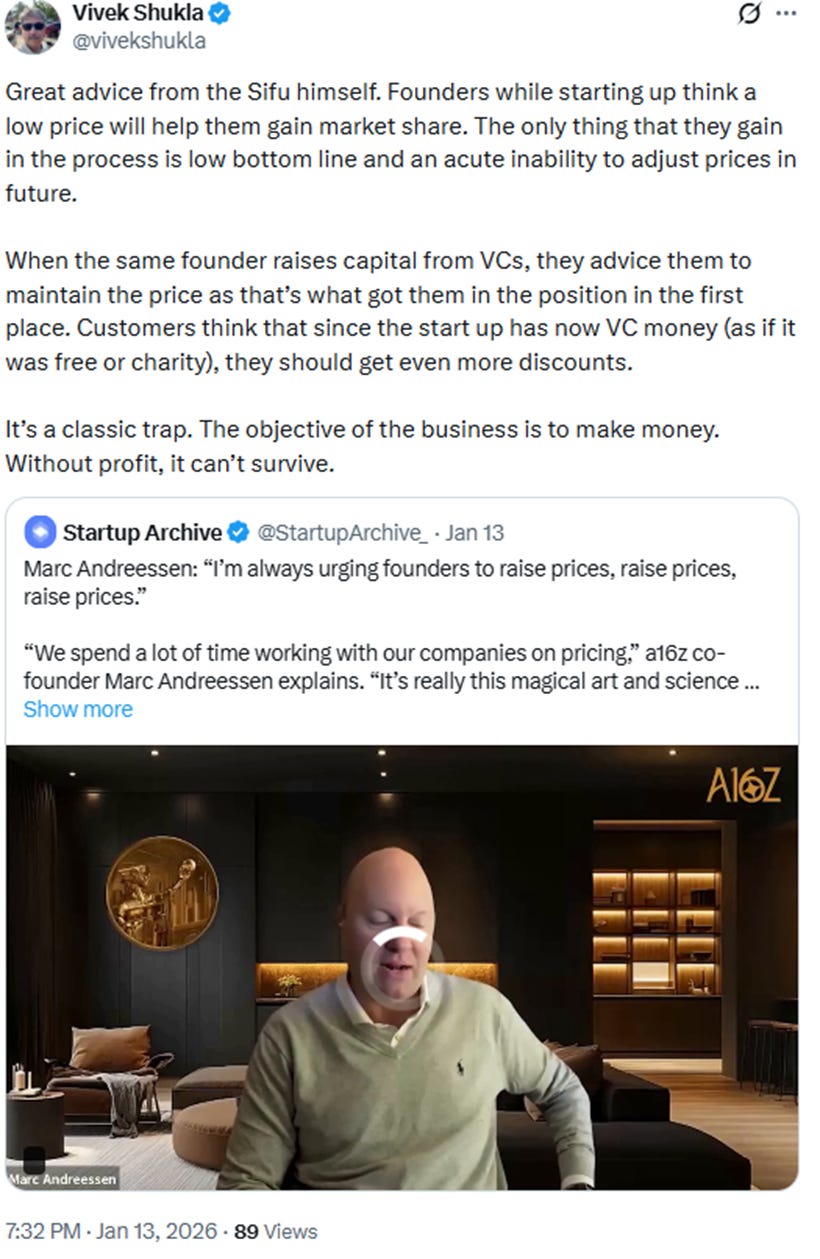
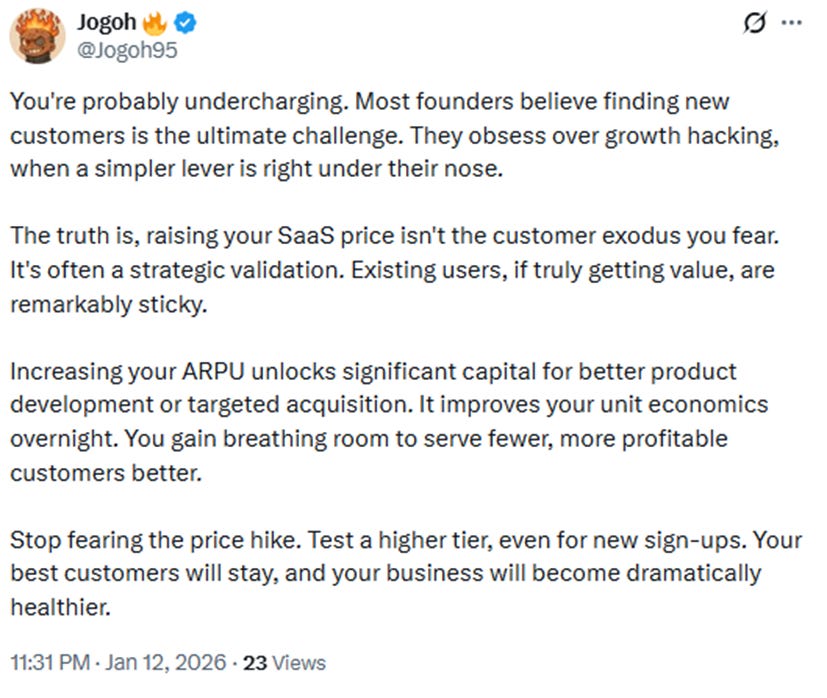
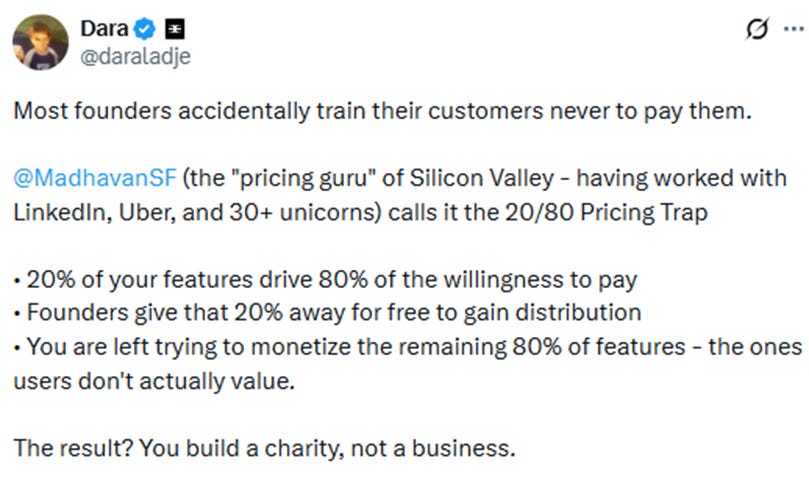
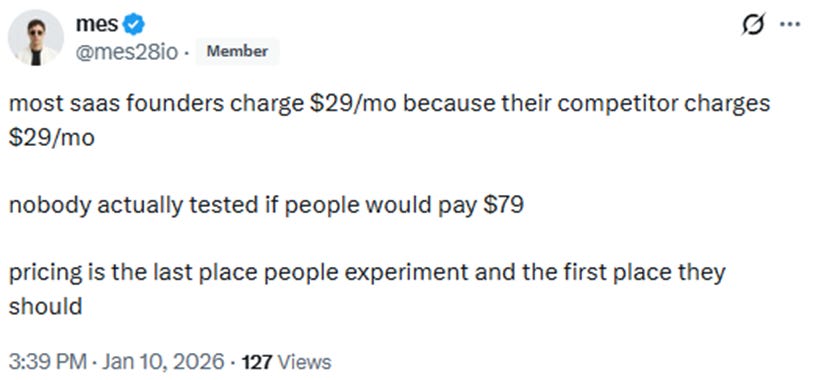
Pricing is often treated as a downstream decision in SaaS companies. Too often, it’s set-it-and-forget-it until external pressures force a change. In founder-led, product-centric businesses, this pattern is especially common.
Yet, pricing signals how a company understands its product, its customers, and its place in the market. When pricing fails to evolve alongside those elements, it can quietly limit growth.
Why Founder-Led SaaS Companies Rarely Revisit Pricing
Here’s a statistic that should grab your attention:
Nearly 40% of SaaS companies don’t revisit pricing at least annually. Yet, companies that optimize their pricing see 30% higher growth rates than those that do not.
So why are founders so concerned about even small price bumps?
Most founder-built SaaS companies establish pricing during the earliest phase of product development. Initial price points are often shaped by design partners, early adopters, and founder-led sales conversations.
The objective at that stage is speed: reduce friction, accelerate adoption, and validate product-market fit. Makes sense, but even after proof-of-concept, these early decisions tend to persist.
Founders often anchor to early customer wins that no longer represent the core buyer. There’s also a natural hesitation to revisit pricing out of concern that change will slow momentum or introduce friction.
So, pricing becomes fixed even as the product, customer mix, and use cases mature.
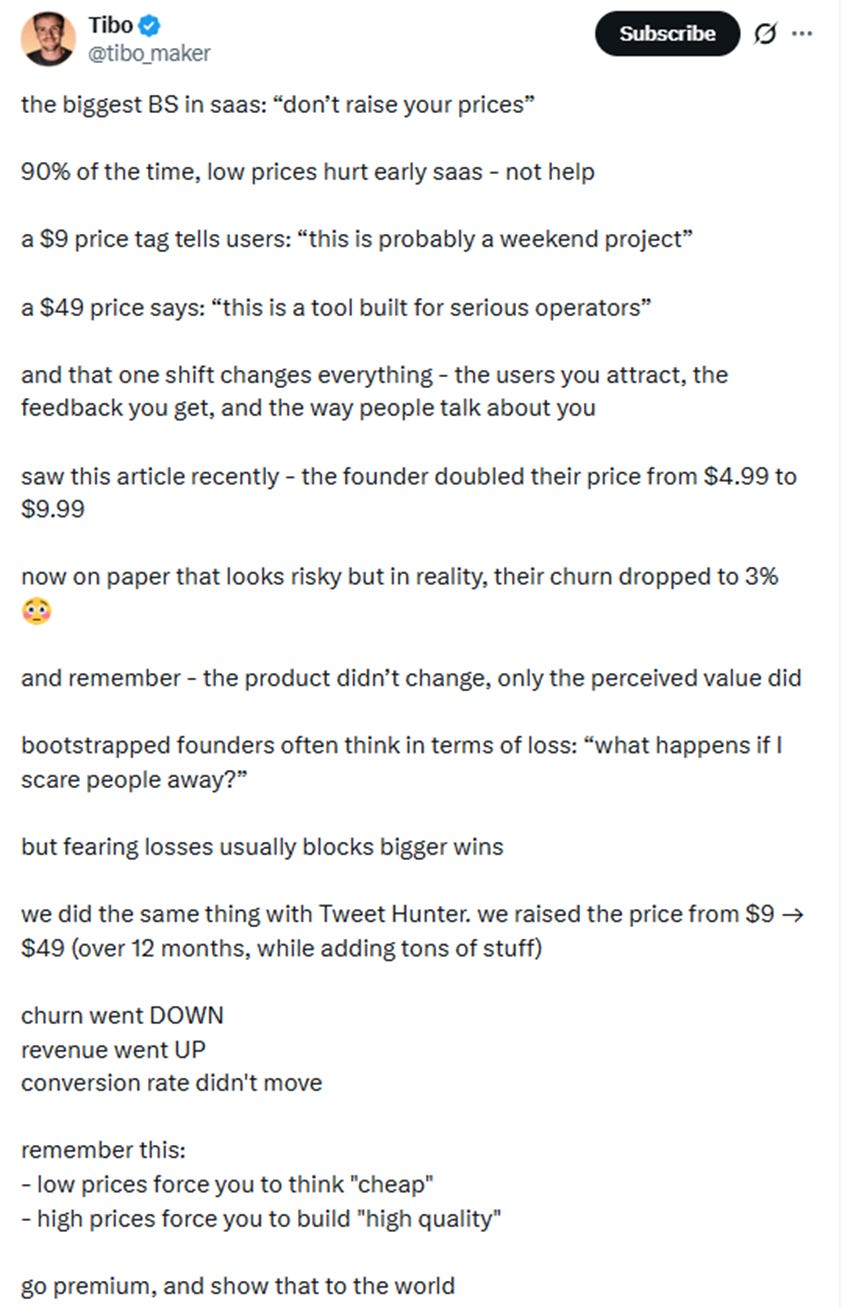
Underpricing Can Quietly Constrain Traction
Pricing that understates the value can drive away more sophisticated buyers. When there’s a lack of clarity about pricing and value, it can:
Blur distinctions between customer segments
Attract customers whose needs won’t scale with the product
Forces sales teams to over-explain value instead of reinforcing it
It may simply attract the wrong kind of customers, those that can’t grow with you or be candidates for higher tiers.
Price is not just a transactional mechanism. It functions as a filter that shapes who engages with SaaS products and how they are evaluated.
When that filter is misaligned, you can miss higher-value segments and convince yourself you can’t charge more.
Pricing for Early Product-Market Fit Versus Pricing for Scale
Early-stage pricing is designed for accessibility. Simplicity matters more than precision, and speed of adoption outweighs segmentation.
As the business matures, however, the role of pricing shifts. Multiple buyer personas emerge, product depth increases, and customers derive value in different ways. At that point, pricing needs to reflect clearer segmentation, more distinct value drivers, and expansion paths that align with how the product is actually used.
A pricing model built for early product-market fit can prevent you from serving a broader and more profitable customer base.
Supporting Pricing Evolution Without Disrupting Founder Culture
Pricing resets are most effective when they are not framed as top-down mandates or short-term optimization efforts. In founder-led organizations, abrupt changes can undermine trust with both management teams and customers.
Private equity firms can support pricing clarity by:
Bringing structure and data to customer segmentation and packaging
Encouraging experimentation rather than wholesale change
Positioning pricing as a growth-aligned operating lever
More collaborative pricing reinforces founder intuition rather than replacing it and helps translate product strength into scalable go-to-market execution.
When Pricing Increases Make Sense
Pricing changes tend to work best when they follow evidence of product and market maturity rather than financial pressure.
Signals often include:
Strong inbound demand from more sophisticated buyers
Consistent expansion behavior among existing customers
Sales resistance driven by unclear packaging rather than product fit
Applying new pricing to new customers first and clearly tying changes to product evolution helps preserve trust while supporting growth.
It can be done. Many elite SaaS companies are moving away from annual reviews, favoring 90-day pricing sprints to make more frequent, low-risk adjustments.
Is anybody doing this successfully? Yes. In 2025, the top 500 SaaS and AI players made more than 1,800 pricing and packaging changes.
Reframing Pricing as a Growth Lever
In founder-led SaaS businesses, pricing is rarely just a number. Early on, it reflects speed, experimentation, and the push to reach product-market fit.
Over time, though, that same pricing can quietly fall out of step with who the product serves and the value it delivers.
Revisiting pricing on a regular basis creates clarity. It sharpens sales conversations, reinforces positioning, and helps attract customers who are aligned with the company’s next stage of growth.
Underpricing doesn’t just leave money on the table; it can blur segmentation and weaken how the product is perceived in the market.
As products mature and expand to support different buyers and use cases, pricing needs to mature with them. When resets are grounded in value and handled thoughtfully, they become a lever for growth rather than a disruptive event.
Done well, pricing discipline strengthens the business without undermining trust, culture, or long-term relationships and signals a company that’s building toward scale with intention.
In Case You Missed It: 2025 Year In Review
We recently published our 2025 Year in Review, reflecting on portfolio performance, operational milestones, and the themes that shaped our investment strategy over the past year.
From value creation initiatives to market positioning, the review outlines how we’re building durable, software-focused platforms in the lower middle market.
Read the full 2025 Year in Review here.
About Bloom Equity Partners
We’re big fans of mission-critical enterprise software, technology and tech-enabled business service companies with a competitive moat and a loyal, diversified, and growing customer base.
Whether the business is bootstrapped, VC-backed, or a division of a larger organization, Bloom is completely agnostic to the structure. We are actively seeking investment opportunities that fall within the criteria below. We welcome the opportunity to discuss potential investments with founders, operating executives and intermediaries.
Our Investment Criteria
Industry: B2B Software and Technology-Enabled Companies
Geography: North America, Europe, Australia and New Zealand
Revenue: $5M - $50M
Growth: No requirement
Profitability: Negative - $10M EBITDA
Investment Type: Operational control required
Business Development Team:
Abe Borden – Principal – abe@bloomequitypartners.com
Adam Kaseff – Senior Associate – adam.kaseff@bloomequitypartners.com
If you or someone you know is considering selling or investing in their business, we would love to learn more! Check out our referral partner program, which compensates referrers for introductions that lead to affirmative outcomes.
What We’re Reading and Listening To…
Your Pricing is WRONG (even Sam Altman Made This Mistake)
The SaaS Pricing Strategy Mistake Costing You 6 Figures | Mike Moll
14 Pricing Mistakes to Avoid (& Tips to Fix Them)
Favorites from the Ecosystem
Investors…
Operators…
Founders…
If you’re enjoying The Bi-Weekly Bloom, we’d appreciate it if you shared it with your network.